

New findings from the AXA Mind Health Report reveals how deeply embedded Artificial Intelligence is in Ireland's mental health coping strategies
Less than half (45%) of the population of Ireland have visited a mental health professional for support
Two in five trust an AI platform’s advice versus a mental health professional
42% almost always follow AI advice without question
laya healthcare, part of AXA, expands mental wellbeing services
DUBLIN, 23 September 2026:
Laya healthcare, part of AXA, today reveals that six in ten people (61%) in Ireland are now turning to AI platforms for mental health support, with a third saying that the advice has led to harmful behaviour. Among people in Ireland using AI platforms for mental health advice, 42% say they almost always follow AI guidance without question, while 39% report feeling uneasy or concerned after using it.
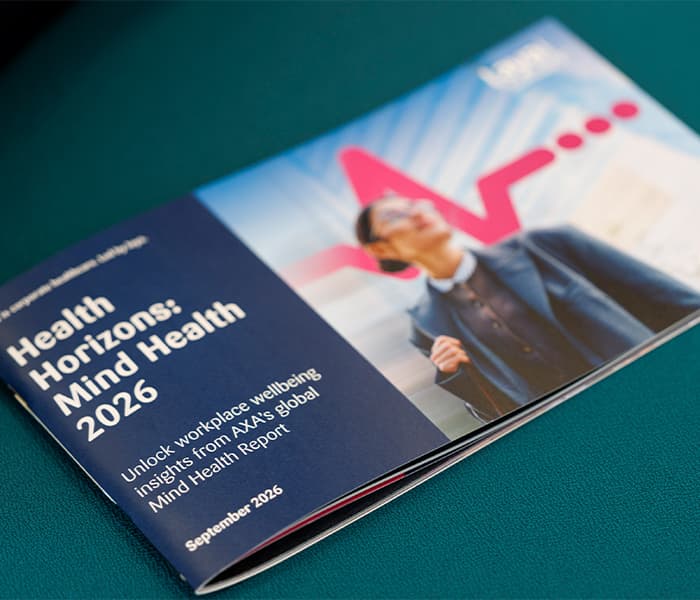
The findings come from the AXA Mind Health Report 2026, a global Ipsos study of 19,000 people across 18 countries, including Ireland. As part of AXA, one of the world's largest insurers and the No. 1 health insurer in Europe, laya has access to unrivalled international health insights.
The research also found that more people in Ireland have used AI for their mental health than have seen a healthcare professional about it: 61%, compared to 45% who have visited a professional in the past year. Irish people are also more likely than almost anywhere else surveyed to take sick leave for a mental health issue - 33%, against a 24% global average.
In response, laya healthcare has expanded its 24/7 Mental Wellbeing service for members aged 16 and over, providing immediate emotional support, counselling and couples counselling on all plans at no additional cost. Laya is also introducing digital therapy for members from age six for the first time, claimable back as an outpatient expense. With children's mental health services among the hardest to access in Ireland today, laya is the first insurer to offer professional psychology and therapy support to members this young.
The expansion reflects the growing demand for support that is immediate, accessible and available in ways that fit people's lives today, while maintaining access to qualified mental health professionals. Together, these services help ensure laya members can access the right level of support for their individual needs, from self-guided tools through to counselling and specialist care.
Informed by findings from the AXA Mind Health Report and clinical expertise, laya has published practical guidance and tips to help people use AI responsibly for mental wellbeing, recognising the growing role AI is playing in how people seek information and support today.
The guidance is available at https://www.layahealthcare.ie/mind-health/
The overarching advice: In a crisis, don’t use AI. Call a GP, a helpline, or emergency services.
1. Understand, don’t diagnose. Ask "what are the signs of anxiety?" rather than "do I have anxiety?" Al can't see your history. A GP or therapist can.
2. Be specific in your prompts. Vague questions get vague answers. Give real context around your need - what happened, how long it's been going on, what you've already tried.
3. Keep it general, not personal. Don't share your name, employer or medication. Al chat isn't confidential the way a conversation with a clinician is.
4. If it feels extreme or off, stop. Check any advice that surprises or unsettles you with a professional before you act on it.
5. Daily reassurance is a sign. Asking Al to reassure you every day? That's your cue to talk to someone in confidence instead, maybe a friend or someone more qualified like your GP or a therapist.
‘I’M GRAND’
To mark the findings, laya healthcare has installed a sign at Wolfe Tone House in Dublin City Centre spelling out two familiar words: I'M GRAND.
Up close, each letter contains the data pf the research, highlighting what is often actually behind the quintessentially Irish response to ‘How are you?’ – ‘I’m grand’. The data includes that:
Nearly half of young people aged 18 to 24 in Ireland (45%) self-report a mental health condition.
More than a third of the population (36%) believe their struggles don’t warrant medical attention
Half the population are struggling or languishing, a 7% increase since 2022-23
Dr Imren Sterno, Head of Mental Health at AXA who worked closely with laya healthcare on the Irish findings, said:
“AI can play a positive role in mental health, with it being free, immediate, and available any time. But it needs to be shaped by clinically grounded tools that guide people to real human support when it matters most. AI can never replace human connection, yet despite this nearly half of us (42%) say we would prioritise AI tools over confiding in our peers. The need for mental health support in the workplace continues to grow globally, and in Ireland, 33% of people report having taken sick leave for a mental health issue, which is well above the 24% global average. Early treatment is how we help someone before a problem becomes a crisis.”
Dr Emelina Ellis, Clinical Lead, laya healthcare's 24/7 Mental Wellbeing service said:
"One in five people in Ireland are struggling with their mental health right now, and six in ten are turning to AI for advice. As a mental health professional, I see real potential in AI when it is responsibly designed, clinically governed and used safely. Used well, it can help identify needs earlier, improve access to support and enable more personalised care. But technology should enhance, not replace, human care. When someone moves from everyday stress to genuine distress, they need more than information. They need expert support that can recognise risk, respond with compassion and connect them to the right care. That is why laya continues to expand its mental wellbeing offering, giving members fast, tailored and accessible support that is clinically designed, safely governed and backed by real professionals.”
For further information visit https://www.layahealthcare.ie/mind-health/