

Why you need a car emergency kit
The Irish weather can be quite unpredictable – we’ll have frost one minute, and sideways rain the next. Our mix of rural routes, winding roads and motorways can sometimes make for challenging journeys. A car emergency kit gives you peace of mind and can help you handle minor issues safely while waiting for roadside assistance or getting yourself back on the move.
You don’t have to carry a full mechanic’s toolbox. It’s about having the practical basics that make emergencies less stressful and far safer.
1. First aid kit
A first aid kit is an absolute essential for every vehicle. It doesn’t need to be complicated, but it should include:
- Plasters and gauze
- Antiseptic wipes
- Sterile dressings
- Disposable gloves
- Tweezers and scissors
- Bandages
- A small survival blanket
While you may never need it, having a first aid kit to hand can make a real difference if you have minor injuries or are waiting for help after an accident.
2. Car warning triangle
A car warning triangle helps alert other road users when your vehicle is stopped at the roadside. This is particularly important in fog, darkness, or on rural roads where visibility is limited.
Place it 45 to 60 metres behind your vehicle (where safe to do so). It’s one of the simplest ways to reduce the risk of a secondary accident and keep you and other drivers protected.
3. Jump leads
A flat battery is one of the most common reasons for breakdowns in Ireland. Having jump leads in your car emergency kit can help you get going again quickly if another driver can assist you.
It’s important to look for high-quality, insulated leads long enough to reach between cars safely. Pair them with a basic knowledge of how to jump-start a car or keep instructions in your glovebox. Electric and hybrid cars may need different approaches, so always check your car
4. Car phone charger
A car phone charger might be one of the simplest tools in your kit, but it’s also one of the most important. A charged phone means you can:
- Contact your insurer or roadside assistance
- Check your location
- Call for help
- Access maps and troubleshooting tips
Choose a reliable USB charger or a wireless model compatible with your phone. Avoid letting your battery drop too low on long journeys, especially in winter.
5. Best torches for cars
Every driver should keep a torch in their emergency kit. The best torches for cars are:
- LED for long battery life
- Water-resistant
- Bright, ideally with multiple beam settings – so you can see clearly in the dark
- Hands-free, such as head torches or magnetic-base torches
Whether you’re checking a tyre in the dark, reading a map, or signalling for help, a good torch can make all the difference.
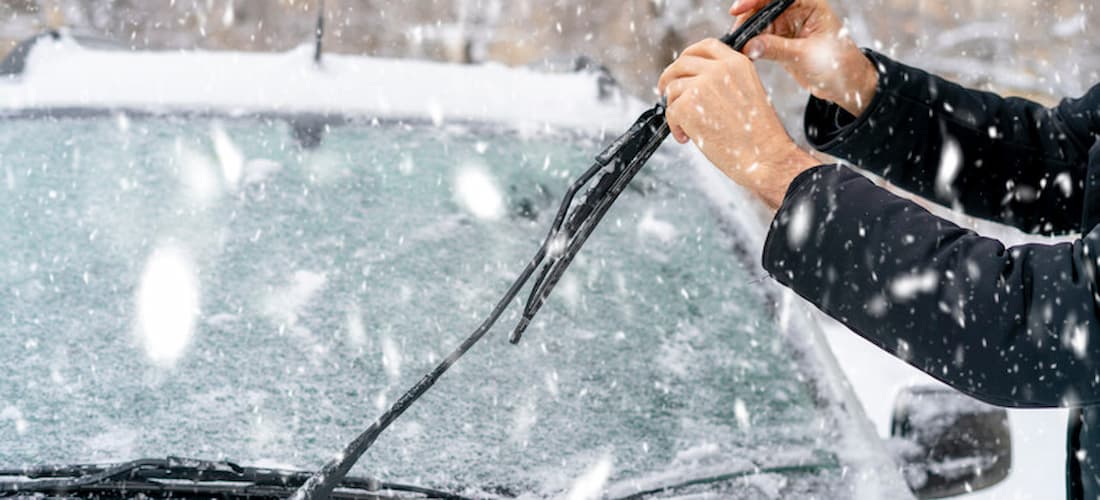
6. De-icer for car windows
Irish winters can be unpredictable, but frost and ice on the windscreen are guaranteed at some point. De-icer for car windows helps you clear your window of ice quickly without resorting to unsafe methods like boiling water, which can crack the glass.
Keep a bottle of de-icer and a sturdy ice scraper in the car. It’s a small investment that saves time – and can help protect your windscreen!
7. High-visibility vest
Breaking down at night or during poor weather is risky, especially on high-speed or poorly lit roads. A high-visibility vest ensures other motorists can see you while you’re outside the vehicle.
Keep one in your glovebox or door pocket so it’s easy to grab before stepping out.
8. Tyre pressure gauge and instructions
Knowing how to check tyre pressure on your car is essential for safety, fuel efficiency, and preventing blowouts. While most petrol stations provide air pumps, they’re not always nearby when you need them.
Make sure to have:
- A compact tyre pressure gauge
- Your car’s recommended tyre pressure values (usually on the driver-side door frame or in the manual)
Check your tyres regularly and especially before long journeys. Under-inflated tyres affect handling, braking, and fuel economy.
9. A car jack and wheel brace
You might wonder if all cars come with a jack, the answer is not anymore. Many modern cars, especially newer or space-saving models, have tyre repair kits instead of jacks.
So, it’s a good idea to:
- Check whether your car includes a jack and wheel brace
- Ensure they’re in good working order
- Learn where your jacking points are located
Even if you never plan to change a tyre yourself, having the right tools means someone else can help you
10. A blanket, warm layers and water
We all know the Irish weather can turn quickly. If you break down in winter or late at night, a warm blanket or extra fleece can make waiting much more comfortable. Bottled water is handy for long waits or summer breakdowns.
11. Basic tool kit
A small tool set can help with quick fixes such as tightening battery terminals, adjusting mirrors, or securing loose parts. You don’t need anything fancy. A few screwdrivers, pliers, and a multi-tool will usually do the job.
12. Important documents
Keep copies of:
- Insurance details
- Roadside assistance contacts
- Breakdown policy info
- Vehicle manual
Your manual is particularly useful for troubleshooting symbols, warnings, tyre pressures, and fuse locations. It’s smart to keep these documents in your glove compartment for easy access.
Where to store your car emergency kit?
A well-organised kit helps you find things quickly when you need them. The boot is ideal, but keep key items like the phone charger, torch and high-vis vest somewhere easy to reach in the front of your car.
Keep your emergency kit in:
- A sturdy bag or storage box
- Waterproof pouches for electronics
- Velcro-backed organisers to stop items rolling around
- Clear labelling if multiple people share the car
By being prepared, you can keep yourself safe, reduce stress, and handle unexpected situations with confidence.
Being prepared makes a difference. When you’re updating your car emergency kit, it’s also a good time to review your car insurance cover to make sure you have the protection you need for every journey.
